
Embark on a journey through the top natural remedies for managing Crohn’s Disease, offering a blend of traditional wisdom and modern science to combat this challenging condition.
Let's delve into the benefits of turmeric, aloe vera, probiotics, and fish oil in alleviating symptoms and promoting gut health.
Natural Remedies Overview
Crohn's Disease is a chronic inflammatory condition that affects the digestive tract, causing symptoms like abdominal pain, diarrhea, fatigue, and weight loss. Managing Crohn's Disease can be challenging due to its unpredictable nature and the varying severity of symptoms from person to person.
Traditional treatments often involve medications and sometimes surgery, but natural remedies can play a crucial role in managing the symptoms and improving the quality of life for individuals with Crohn's Disease.
Challenges in Managing Crohn’s Disease
- Flare-ups: Sudden and severe episodes of symptoms can be difficult to predict and manage.
- Dietary restrictions: Certain foods can trigger symptoms and maintaining a healthy diet can be challenging.
- Medication side effects: Some medications used to manage Crohn's Disease can have adverse effects on the body.
- Mental health impact: Dealing with a chronic condition can take a toll on mental well-being.
Importance of Natural Remedies
Natural remedies offer a holistic approach to managing Crohn's Disease by addressing symptoms and underlying causes without the potential side effects of medications. They can help reduce inflammation, improve gut health, boost the immune system, and alleviate symptoms like abdominal pain and diarrhea.
Incorporating natural remedies into a comprehensive treatment plan can provide individuals with Crohn's Disease with additional tools to effectively manage their condition and improve their overall quality of life.
Turmeric

Turmeric is a popular spice that has been used for centuries in traditional medicine for its numerous health benefits. Specifically, turmeric is known for its anti-inflammatory properties, making it a promising natural remedy for managing Crohn's Disease.
Benefits of Turmeric in Managing Crohn’s Disease
Turmeric contains a compound called curcumin, which is the active ingredient responsible for its anti-inflammatory effects. Curcumin has been shown to help reduce inflammation in the digestive tract, which can be beneficial for individuals suffering from Crohn's Disease. By decreasing inflammation, turmeric may help alleviate symptoms such as abdominal pain, diarrhea, and cramping.
Different Ways to Consume Turmeric for Medicinal Properties
There are several ways to incorporate turmeric into your diet to harness its medicinal properties. One common method is to use turmeric powder in cooking, adding it to curries, soups, or smoothies. Another option is to take turmeric supplements, which provide a concentrated dose of curcumin.
Additionally, turmeric tea is a soothing way to consume this spice and reap its anti-inflammatory benefits. Experiment with different methods to find the most effective way to incorporate turmeric into your daily routine.
Aloe Vera
Aloe vera is a versatile plant known for its soothing properties and has been used for centuries to treat various ailments. When it comes to managing Crohn’s Disease, aloe vera can help soothe the digestive tract and provide relief from symptoms.
Anti-inflammatory Properties
Aloe vera contains compounds that have powerful anti-inflammatory effects, which can be beneficial for individuals with Crohn’s Disease. These properties can help reduce inflammation in the digestive tract, easing discomfort and promoting healing.
- Drinking aloe vera juice: Mix aloe vera juice with water or a fruit juice to make it more palatable. It is important to use pure, organic aloe vera juice without added sugars or preservatives.
- Adding aloe vera gel to smoothies: Incorporate aloe vera gel into your smoothies for a refreshing and soothing drink. Make sure to scoop out the gel from fresh aloe vera leaves for the best results.
- Aloe vera supplements: Consider taking aloe vera supplements in the form of capsules or tablets, following the recommended dosage for managing Crohn’s Disease symptoms.
Probiotics
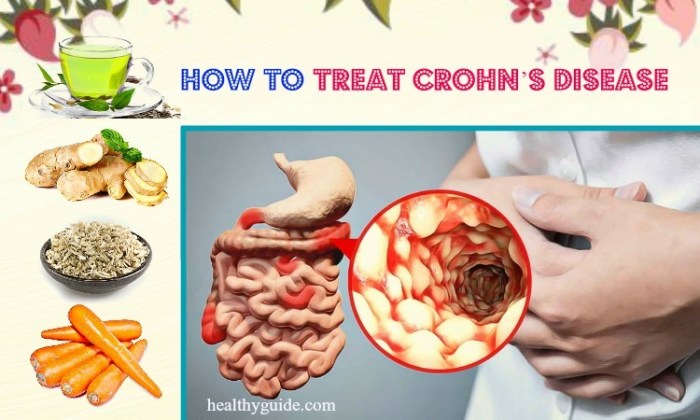
Probiotics are live bacteria and yeasts that are good for your digestive system. They help promote gut health by restoring the balance of good bacteria in the intestines, which can be beneficial for individuals with Crohn’s Disease.
Strains of Probiotics
There are various strains of probiotics that have shown promise in managing Crohn’s Disease symptoms. Lactobacillus and Bifidobacterium are two commonly studied strains that may help reduce inflammation and improve overall gut health. These strains can be found in probiotic supplements or certain fermented foods.
Probiotic-Rich Foods vs. Supplements
While probiotic supplements can be convenient, incorporating probiotic-rich foods into your diet may offer additional benefits. Foods like yogurt, kefir, sauerkraut, and miso contain natural probiotics that can help support your gut health. These foods also provide other essential nutrients that can contribute to overall well-being.
Fish Oil
Fish oil supplements are known for their anti-inflammatory properties, which can be particularly beneficial for individuals with Crohn's Disease. These supplements contain omega-3 fatty acids, which are essential nutrients that play a key role in managing inflammation in the body.
Impact of Omega-3 Fatty Acids
Omega-3 fatty acids found in fish oil have been shown to help reduce inflammation in the digestive tract, which can alleviate symptoms associated with Crohn's Disease. These healthy fats can also support overall gut health and improve the body's immune response.
- Fish oil can help decrease the production of inflammatory molecules in the body, potentially reducing the severity of Crohn's symptoms.
- The anti-inflammatory properties of omega-3 fatty acids may also help promote healing in the intestinal lining, which is often damaged in individuals with Crohn's Disease.
- Studies have suggested that regular intake of fish oil supplements may lead to a decrease in disease activity and a lower risk of flare-ups in Crohn's patients.
Recommended Dosage and Usage
It is recommended to consult with a healthcare provider before starting fish oil supplements to determine the appropriate dosage based on individual needs. In general, a typical dosage for managing Crohn's Disease ranges from 2 to 4 grams of fish oil per day.
It is important to choose a high-quality fish oil supplement that is free from contaminants and has a high concentration of omega-3 fatty acids.
Incorporating fish oil into a daily routine can be done by taking the supplements with meals to improve absorption. It is essential to follow the recommended dosage and usage instructions provided by the healthcare provider or the product label to maximize the benefits of fish oil for managing Crohn's Disease.
Outcome Summary
In conclusion, integrating these natural remedies into your daily routine can be a game-changer in managing Crohn’s Disease, offering hope and relief to those facing this chronic illness.
Questions Often Asked
Can turmeric really help with Crohn’s Disease?
Yes, turmeric has anti-inflammatory properties that can assist in managing inflammation associated with Crohn’s Disease.
Are probiotics better in food or supplement form for Crohn’s Disease?
It is generally recommended to get probiotics from food sources like yogurt, kefir, and sauerkraut for better absorption and effectiveness.
How much fish oil should I take daily for Crohn’s Disease?
The recommended dosage of fish oil for managing Crohn’s Disease symptoms is typically around 1,000-2,000 mg per day, but consult with your healthcare provider for personalized advice.

