
Embark on a journey towards a more sustainable and cost-effective lifestyle with Sustainable Living Tips That Save Money and the Planet. Discover innovative practices that not only benefit your wallet but also help preserve our environment for future generations.
Sustainable Living Tips
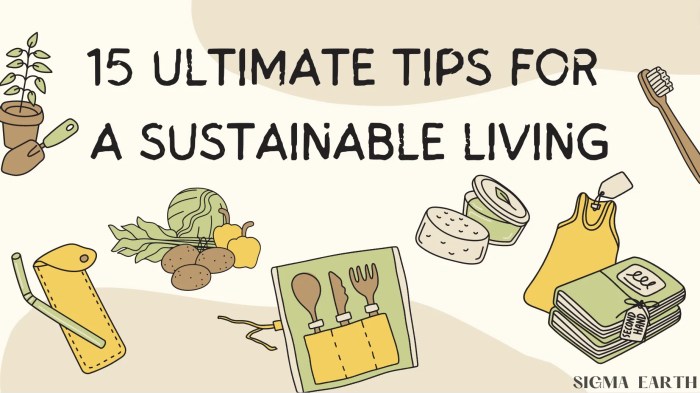
Living sustainably is not only good for the planet but can also save you money in the long run. By making simple changes in your daily life, you can reduce waste, save energy, and contribute to a healthier environment for future generations.
Reduce Energy Consumption
Reducing energy consumption is a key aspect of sustainable living. By being mindful of your energy usage, you can lower your utility bills and reduce your carbon footprint. Here are some tips to help you reduce energy consumption:
- Switch to energy-efficient appliances and light bulbs.
- Unplug electronics when not in use to avoid phantom energy consumption.
- Use natural light and ventilation whenever possible to reduce the need for artificial lighting and air conditioning.
- Set your thermostat to an energy-saving temperature and use programmable thermostats to regulate heating and cooling.
Reduce Waste
Reducing waste is another important aspect of sustainable living. By minimizing the amount of waste you produce, you can help conserve natural resources and reduce pollution. Here are some tips to help you reduce waste:
- Reduce, reuse, and recycle whenever possible to minimize the amount of waste that ends up in landfills.
- Avoid single-use products and opt for reusable alternatives, such as water bottles, shopping bags, and containers.
- Compost organic waste to create nutrient-rich soil for your garden and reduce methane emissions from landfills.
- Avoid food waste by meal planning, buying only what you need, and storing food properly to prolong its freshness.
Energy-Efficient Practices
Implementing energy-efficient practices in your home can not only help you save money on utility bills but also reduce your carbon footprint. By using energy-efficient appliances and renewable energy sources, you can contribute to a more sustainable lifestyle.
Energy-Efficient Appliances
Investing in energy-efficient appliances can significantly reduce your energy consumption and save you money in the long run. Some examples of energy-efficient appliances include:
- Energy Star certified refrigerators
- LED light bulbs
- Smart thermostats
- Energy-efficient washing machines and dryers
Benefits of Using Renewable Energy Sources
Renewable energy sources such as solar panels, wind turbines, and geothermal heat pumps offer numerous benefits for homeowners. Some of these benefits include:
- Reduced electricity bills over time
- Less reliance on traditional energy sources
- Lower carbon emissions and environmental impact
Comparison of Traditional vs. Renewable Energy
When it comes to cost-effectiveness, renewable energy sources are becoming more competitive with traditional energy sources. While the initial investment in renewable energy systems may be higher, the long-term savings and environmental benefits outweigh the costs. Additionally, government incentives and rebates can help offset the upfront expenses of installing renewable energy systems.
Eco-Friendly Transportation
Public transportation, biking, carpooling, and fuel-efficient driving practices all play a crucial role in reducing carbon emissions, saving money, and promoting a cleaner environment. By choosing eco-friendly transportation options, individuals can contribute to a more sustainable future for the planet.
Advantages of Using Public Transportation
- Reduces traffic congestion and saves time on commuting.
- Lowers carbon emissions and decreases air pollution.
- Saves money on gas, parking, and vehicle maintenance costs.
Advantages of Biking
- Promotes physical health and well-being through exercise.
- Zero emissions and minimal environmental impact.
- Saves money on gas and reduces the need for parking spaces.
Advantages of Carpooling
- Reduces the number of vehicles on the road, easing traffic congestion.
- Saves money on gas and vehicle maintenance expenses.
- Strengthens social connections and promotes a sense of community.
Maintaining a Fuel-Efficient Driving Style
- Avoid aggressive driving behaviors such as speeding and rapid acceleration.
- Keep tires properly inflated to improve fuel efficiency.
- Regularly service your vehicle to ensure optimal performance.
Environmental Impact of Different Modes of Transportation
- Public transportation: Reduces greenhouse gas emissions and air pollution.
- Biking: Zero emissions and minimal environmental impact.
- Carpooling: Decreases the overall carbon footprint by sharing rides.
- Driving alone: Contributes to traffic congestion, air pollution, and higher carbon emissions.
Sustainable Food Choices
Buying local and seasonal produce, reducing meat consumption, and growing your own food at home are all sustainable food choices that can benefit both your wallet and the planet.Explain how buying local and seasonal produce can be both cost-effective and environmentally friendly.
Buying Local and Seasonal Produce
When you buy local and seasonal produce, you are supporting local farmers and reducing the carbon footprint associated with transporting food long distances. This means fresher, more nutritious produce for you, while also helping to decrease greenhouse gas emissions from transportation.
Detail the benefits of reducing meat consumption for personal health and the planet.
Reducing Meat Consumption
Reducing meat consumption can have numerous benefits for personal health and the environment. Plant-based diets are often associated with lower risks of heart disease, obesity, and certain types of cancer. Additionally, livestock farming is a major contributor to greenhouse gas emissions, deforestation, and water pollution.
By reducing meat consumption, you can help mitigate these environmental impacts and improve your health.
Share tips on growing your own food at home to save money and reduce carbon footprint.
Growing Your Own Food at Home
By growing your own food at home, you can save money on groceries while also reducing your carbon footprint. Homegrown produce is free from pesticides and preservatives, and you can control the use of water and energy in the growing process.
Whether you have a backyard garden, balcony space, or even just a sunny windowsill, there are plenty of options for growing your own fruits, vegetables, and herbs at home.
Closure
In conclusion, embracing sustainable living practices is not only a smart financial choice but also a crucial step towards a greener future. By incorporating these tips into your daily routine, you can make a positive impact on both your finances and the planet.
Question Bank
Can sustainable living practices really save money?
Yes, sustainable living practices such as reducing waste and energy consumption can lead to significant cost savings in the long run.
How can I incorporate sustainable food choices into my lifestyle?
You can start by buying local and seasonal produce, reducing meat consumption, and even growing your own food at home to save money and reduce your carbon footprint.
What are some energy-efficient appliances that I can use at home?
Appliances like energy-efficient refrigerators, washing machines, and LED light bulbs can help you save money on utility bills while reducing energy consumption.

