
Beginning with How Smart Homes Are Shaping the Future of Daily Living, the narrative unfolds in a compelling and distinctive manner, drawing readers into a story that promises to be both engaging and uniquely memorable.
Smart homes have revolutionized the way we live by seamlessly integrating technology into our daily routines. From controlling the lights with a voice command to adjusting the thermostat remotely, these innovative systems have truly transformed the concept of modern living.
Overview of Smart Homes
Smart homes are residences equipped with internet-connected devices that allow for the remote monitoring and management of various functions, such as lighting, heating, security, and entertainment systems. These devices are designed to enhance the quality of daily living by providing convenience, efficiency, and increased control over the home environment.
Common Smart Home Devices and Functionalities
- Smart thermostats: These devices can learn your temperature preferences and adjust accordingly, leading to energy savings and increased comfort.
- Smart lighting systems: Allow you to control your lights remotely, set schedules, and even change colors to create different moods.
- Smart security cameras: Enable you to monitor your home from anywhere, receive alerts for suspicious activity, and even communicate with visitors through two-way audio.
- Voice assistants (e.g., Amazon Alexa, Google Assistant): Assist with various tasks like setting reminders, playing music, controlling other smart devices, and providing information through voice commands.
Benefits of Smart Homes
Smart homes offer numerous advantages to homeowners, including:
- Convenience: The ability to control various aspects of your home remotely through a smartphone or voice commands makes daily tasks easier and more efficient.
- Efficiency: Smart devices can help reduce energy consumption, leading to cost savings on utility bills and a more environmentally friendly lifestyle.
- Safety and security: With features like remote monitoring, motion sensors, and alerts, smart homes enhance the safety of residents and protect against potential threats.
Automation in Smart Homes
Automation in smart homes is revolutionizing the way we live by making daily tasks more efficient and convenient. One of the key aspects of smart homes is the ability to automate various processes, ultimately shaping the future of daily living.
Impact on Energy Efficiency and Cost Savings
Automated systems in smart homes have a significant impact on energy efficiency and cost savings. By using sensors, smart devices can adjust lighting, heating, and cooling based on occupancy and natural light levels. This results in reduced energy consumption and lower utility bills.
Additionally, automation can help optimize energy usage by turning off devices when not in use, further contributing to cost savings.
Examples of Automated Tasks
- Thermostat control: Smart thermostats can learn your schedule and adjust the temperature accordingly, saving energy when you're not at home.
- Lighting control: Automated lighting systems can turn lights on and off based on motion sensors or schedules, reducing unnecessary energy usage.
- Security systems: Smart security systems can automatically arm/disarm based on your location or a predefined schedule, enhancing safety and peace of mind.
- Appliance control: Smart plugs and devices can automate the operation of appliances, such as turning off the coffee maker after brewing or adjusting the washing machine settings for optimal energy usage.
Integration of AI in Smart Homes
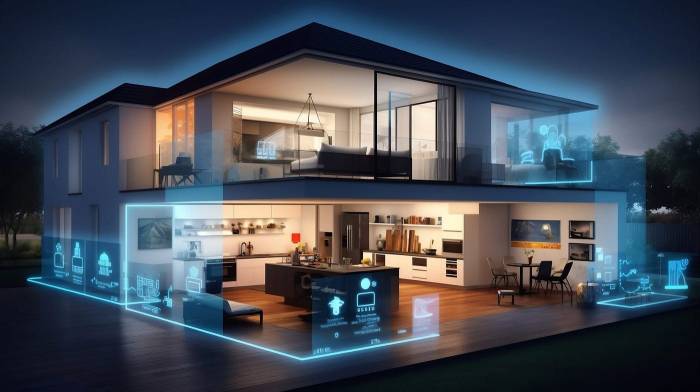
AI, or artificial intelligence, plays a crucial role in enhancing the capabilities of smart homes by enabling devices to learn, adapt, and make decisions based on data and user behavior. This integration of AI technology allows for a more personalized and efficient living experience, where smart devices can anticipate user needs and preferences.
AI-Powered Devices in Smart Homes
AI-powered devices commonly used in smart homes include virtual assistants like Amazon Alexa, Google Assistant, and Apple Siri. These devices utilize AI algorithms to understand and respond to voice commands, control other smart devices, provide information, and even perform tasks like setting reminders or scheduling appointments.
- Virtual Assistants: These devices can answer questions, play music, control smart home devices, and provide real-time information such as weather updates and news.
- Smart Thermostats: AI-driven thermostats can learn user preferences and adjust temperature settings automatically to optimize energy usage and comfort.
- Security Cameras: AI-powered cameras can detect motion, identify faces, and send alerts to users, enhancing home security and surveillance.
Adaptation to User Preferences
AI-driven smart homes can adapt to user preferences and habits by analyzing data collected from sensors and devices. For example, smart lighting systems can adjust brightness and color temperature based on the time of day or user activities. AI algorithms can also optimize energy usage by learning patterns of device usage and automatically adjusting settings for efficiency.
By integrating artificial intelligence into smart home devices, users can enjoy a more intuitive and seamless living experience with personalized automation and enhanced efficiency.
Security and Privacy Concerns
Smart homes offer convenience and efficiency, but they also come with security and privacy concerns that can impact user behavior. As more devices become interconnected and accessible through the internet, the risk of cyber attacks and unauthorized access increases
Security Risks Associated with Smart Home Devices
- Unauthorized access to sensitive data: Hackers can potentially access personal information, such as schedules, routines, and even camera feeds, if smart home devices are not properly secured.
- Malware and viruses: Infected devices can spread malware throughout the entire network, compromising the security and functionality of the smart home system.
- Physical security threats: Vulnerabilities in smart locks or security cameras can lead to physical break-ins or unauthorized entry into the home.
Measures to Enhance Security and Privacy
- Strong passwords: Use unique and complex passwords for each smart device and change them regularly to prevent unauthorized access.
- Network segmentation: Separate smart home devices onto different networks to minimize the impact of a potential breach.
- Regular updates: Keep all devices and software up to date with the latest security patches to address known vulnerabilities.
Comparison of Security Protocols and Encryption Methods
| Security Protocol | Encryption Method |
|---|---|
| Wi-Fi Protected Access (WPA2) | AES encryption for secure data transmission over Wi-Fi networks. |
| Virtual Private Network (VPN) | Uses tunneling protocols like IPSec to encrypt data traffic between devices and the VPN server. |
| Transport Layer Security (TLS) | Provides end-to-end encryption for communication between devices and servers, ensuring data integrity and confidentiality. |
Connectivity and Interoperability
The seamless connectivity and interoperability of devices within a smart home ecosystem play a crucial role in enhancing the overall user experience. This ensures that different devices can communicate effectively with each other, enabling automation and control from a centralized system.
The Importance of Connectivity
In a smart home setup, connectivity is essential for enabling devices to interact and share data, allowing for efficient automation and control. Whether it's adjusting the thermostat, turning on lights, or monitoring security cameras, connectivity ensures that all devices work together seamlessly to enhance convenience and comfort for users.
Interoperability in Smart Homes
Interoperability refers to the ability of different devices and systems to communicate, exchange data, and operate in conjunction with each other. In the context of smart homes, interoperability ensures that devices from various manufacturers can work together, regardless of brand or technology used.
This promotes flexibility and scalability in building a smart home ecosystem.
Protocols and Standards for Seamless Communication
Several protocols and standards have been developed to facilitate seamless communication between smart devices in a home automation setup. Some common examples include:
- Wi-Fi: A widely used protocol for connecting smart devices to a home network, allowing for high-speed data transmission and internet connectivity.
- Z-Wave: A wireless communication protocol designed specifically for home automation, enabling devices to communicate over longer distances with low power consumption.
- Bluetooth: Another popular protocol for short-range communication between devices, commonly used for connecting smartphones, speakers, and other smart gadgets.
- Thread: A low-power wireless protocol that supports secure and reliable communication between smart home devices, promoting interoperability and energy efficiency.
Energy Efficiency and Sustainability
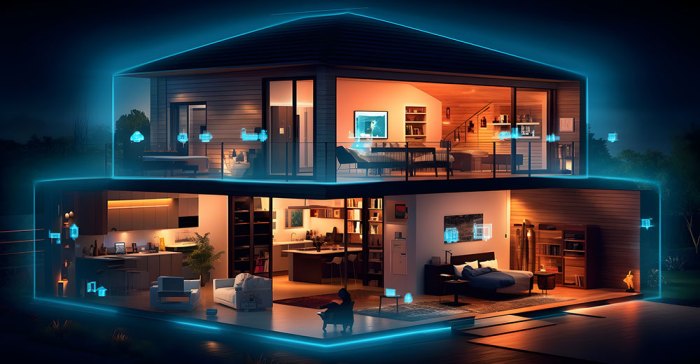
Smart homes play a crucial role in promoting energy efficiency and sustainability by utilizing advanced technology to optimize energy usage and reduce environmental impact. By incorporating smart devices and systems, homeowners can effectively monitor and control their energy consumption, leading to significant savings and a reduced carbon footprint.
Renewable Energy Integration
One of the key ways smart homes contribute to sustainability is through the integration of renewable energy sources. For instance, solar panels can be installed on the roof of a smart home to harness the power of the sun and generate clean electricity.
This renewable energy can then be stored in batteries or fed back into the grid for later use, reducing reliance on traditional fossil fuels.
Moreover, smart home systems can intelligently manage energy usage based on the availability of renewable energy sources. For example, during peak sunlight hours, the smart home may prioritize using solar-generated electricity to power appliances and devices, further optimizing energy efficiency and reducing reliance on non-renewable resources.
Concluding Remarks
In conclusion, the impact of smart homes on daily living is undeniable. With their convenience, efficiency, and potential for customization, it's clear that they are paving the way for a more connected and automated future. Embracing this technology can lead to a more streamlined and sustainable way of living, promising a lifestyle that is both comfortable and environmentally conscious.
Common Queries
Are smart homes secure?
Security risks do exist with smart home devices, but measures such as strong passwords, regular software updates, and secure Wi-Fi networks can help enhance security.
Can smart homes save energy?
Smart homes are designed to optimize energy usage through automation and smart devices, leading to potential energy savings and contributing to sustainability.
How do smart homes adapt to user preferences?
AI-driven smart homes can learn user habits and preferences over time, adjusting settings and routines to provide a personalized experience.

