
Exploring the realm of Healthy Habits That Can Transform Your Daily Life, this introduction sets the stage for an enlightening journey into the impact of simple routines on our overall well-being. From physical health to mental well-being, discover how incorporating these habits can lead to a more fulfilling and productive lifestyle.
Detailing the importance of each category and how they intertwine to create a holistic approach to daily habits, this overview aims to inspire readers to make positive changes for a healthier and happier life.
Importance of Healthy Habits
Healthy habits play a crucial role in transforming our daily lives by promoting overall well-being and improving quality of life.
Physical Health
By incorporating healthy habits such as regular exercise, balanced nutrition, and adequate sleep, individuals can improve their physical health. This can lead to increased energy levels, reduced risk of chronic diseases, and better overall physical fitness.
Mental Well-being
Healthy habits also positively impact mental well-being by reducing stress, anxiety, and depression. Practices like mindfulness, meditation, and proper time management can help individuals maintain a positive outlook and cope effectively with daily challenges.
Productivity and Performance
When individuals prioritize healthy habits, they often experience increased productivity and enhanced performance in various aspects of their lives. A well-balanced lifestyle promotes focus, concentration, and cognitive function, leading to better decision-making and goal achievement.
Physical Health Habits
Regular exercise, a balanced diet, and proper hydration are key physical health habits that can significantly impact your daily life and productivity.
Regular Exercise
Regular exercise, whether it's cardio, strength training, or flexibility exercises, plays a crucial role in maintaining overall physical health. It helps improve cardiovascular health, boost energy levels, enhance mood, and promote better sleep. Exercise also increases productivity by enhancing cognitive function, focus, and concentration.
Balanced Diet
Eating a balanced diet rich in fruits, vegetables, lean proteins, whole grains, and healthy fats is essential for supporting your overall health and well-being. A balanced diet provides the necessary nutrients to fuel your body, improve immune function, maintain a healthy weight, and reduce the risk of chronic diseases.
By consuming a variety of nutrient-dense foods, you can optimize your energy levels, mood, and productivity throughout the day.
Proper Hydration
Staying properly hydrated is vital for supporting various bodily functions, such as digestion, circulation, temperature regulation, and nutrient transport. Drinking an adequate amount of water throughout the day helps prevent dehydration, which can lead to fatigue, headaches, and decreased cognitive function.
By staying hydrated, you can boost your energy levels, improve focus, and enhance overall productivity.
Mental Health Habits
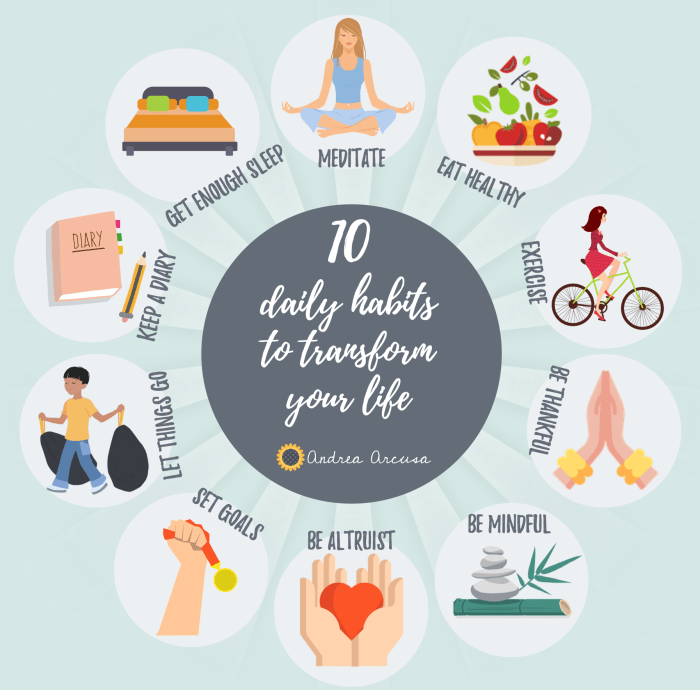
Maintaining good mental health habits is crucial for overall well-being and can significantly impact daily routines and mindset. Practices such as mindfulness, stress management, and ensuring adequate sleep play a key role in promoting mental wellness.
Mindfulness
Practicing mindfulness involves being fully present in the moment, acknowledging and accepting one's thoughts and feelings without judgment
Stress Management
Effective stress management techniques are essential for maintaining mental health. Engaging in activities such as exercise, deep breathing, meditation, or spending time in nature can help reduce stress levels and promote relaxation. By learning to identify and cope with stressors, individuals can prevent the negative impact of chronic stress on their mental well-being.
Adequate Sleep
Getting enough quality sleep is fundamental for cognitive function and emotional well-being. Lack of sleep can lead to irritability, poor concentration, and heightened stress levels. Establishing a bedtime routine, creating a peaceful sleep environment, and prioritizing rest can significantly improve mood, memory, and overall mental health.
Adequate sleep enables individuals to better cope with daily challenges and maintain a positive mindset.
Social Connection Habits
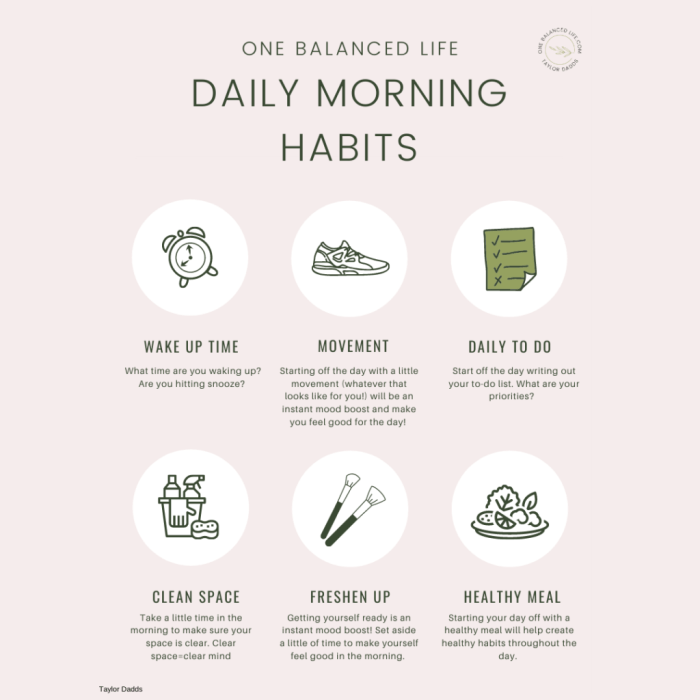
Building and maintaining social connections play a crucial role in our overall well-being and daily interactions. Engaging in relationships, community activities, and networking can have a significant impact on our emotional health and quality of life.
Importance of Maintaining Relationships
Creating and nurturing meaningful relationships with family, friends, and colleagues can provide a sense of belonging, support, and companionship. Strong social connections can help reduce feelings of loneliness, improve self-esteem, and enhance overall happiness.
Engaging in Community Activities
Participating in community events, volunteering, or joining clubs and organizations can foster a sense of community and belonging. These activities not only allow us to connect with others who share similar interests but also contribute to personal growth and fulfillment.
Networking for Personal and Professional Growth
Networking with peers, mentors, and industry professionals can open up opportunities for personal and professional development. Building a strong network of contacts can lead to new friendships, collaborations, and career advancements, ultimately enriching our lives.
Last Recap
In conclusion, embracing healthy habits is not just a choice but a transformative way of living. By prioritizing physical, mental, and social well-being, individuals can experience a profound shift in their daily experiences and outlook on life. Take the first step towards a brighter future by incorporating these habits into your routine today.
Essential Questionnaire
How do healthy habits impact daily life?
Healthy habits have a direct influence on our daily experiences by improving our physical health, mental well-being, and social connections, leading to a more fulfilling and productive lifestyle.
What are some examples of mental health habits?
Examples of mental health habits include mindfulness practices, stress management techniques, and ensuring adequate sleep, all of which contribute to a positive mindset and daily routines.
Why are social connection habits important?
Social connection habits are crucial for emotional well-being as they foster relationships, community engagement, and networking, enhancing daily interactions and overall happiness.

