
Exploring the realm of Best Wellness Habits for the Entire Family, this introduction delves into the importance of cultivating healthy habits that benefit everyone. From physical wellness to mental and emotional well-being, discover how small changes can lead to significant improvements in overall health.
As we navigate through the various aspects of wellness habits, we uncover practical tips and insightful information to help families thrive together in a holistic way.
Importance of Wellness Habits
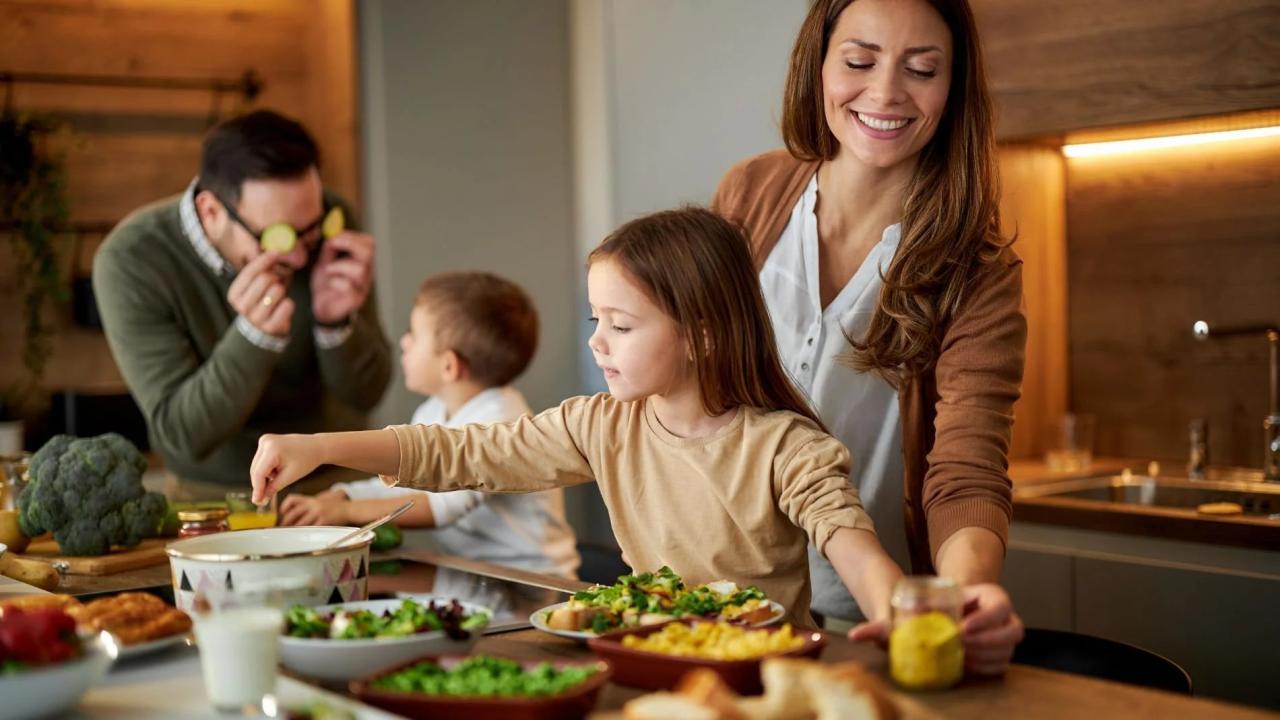
Establishing wellness habits is crucial for the entire family as it sets the foundation for a healthy and balanced lifestyle. By incorporating wellness habits into daily routines, families can reap numerous benefits that contribute to their overall well-being and quality of life.
Benefits of Wellness Habits
- Improved physical health: Regular exercise, proper nutrition, and adequate rest can help prevent chronic diseases, boost immunity, and increase energy levels.
- Enhanced mental well-being: Practicing mindfulness, managing stress, and getting enough sleep can reduce anxiety, improve mood, and enhance cognitive function.
- Stronger family bonds: Engaging in wellness activities together, such as outdoor outings or cooking healthy meals, fosters communication, teamwork, and mutual support among family members.
- Increased productivity: When individuals feel physically and mentally well, they are more likely to perform better at work, school, and other daily tasks.
Physical Wellness
Regular physical activity is essential for maintaining overall health and well-being for individuals of all ages. Engaging in various physical activities not only helps in improving physical fitness but also has a positive impact on mental health. When it comes to the entire family, incorporating physical wellness habits can create a bond and promote a healthy lifestyle together.
Physical Activities for Different Age Groups
- For Kids: Encourage activities like swimming, cycling, dancing, or playing outdoor games to keep them active and healthy.
- For Teens: Involve them in team sports, jogging, yoga, or strength training to promote physical fitness and overall well-being.
- For Adults: Engage in activities like running, hiking, dancing, or joining fitness classes to stay active and maintain a healthy lifestyle.
- For Seniors: Focus on activities like walking, gentle yoga, tai chi, or water aerobics to improve flexibility, balance, and overall health.
Significance of Regular Exercise
Regular exercise not only helps in maintaining a healthy weight but also reduces the risk of chronic diseases like heart disease, diabetes, and obesity. It improves muscle strength, boosts energy levels, and enhances mood by releasing endorphins. Incorporating physical activity into daily routine can improve cardiovascular health, increase flexibility, and promote better sleep patterns.
Making Physical Activity Fun for the Whole Family
- Plan active family outings like hiking, biking, or visiting a nearby park to make physical activity enjoyable for everyone.
- Organize family fitness challenges or competitions to encourage participation and create a sense of teamwork.
- Try new activities together such as dance classes, martial arts, or family yoga sessions to keep everyone engaged and excited about staying active.
- Set specific goals and rewards for achieving milestones to motivate family members and make physical wellness a fun and rewarding experience.
Nutritional Habits

Eating nutritious foods is essential for maintaining overall wellness for the entire family. By incorporating healthy eating habits, you can promote better health outcomes and instill good practices in children from a young age
Healthy Eating Habits
- Include a variety of fruits, vegetables, whole grains, lean proteins, and healthy fats in your meals.
- Avoid processed foods high in sugar, salt, and unhealthy fats.
- Drink plenty of water throughout the day to stay hydrated.
- Limit sugary beverages and opt for water, herbal teas, or infused water instead.
Examples of Balanced Meals and Snacks
Meal planning is key to ensuring your family consumes nutritious meals. Here are some examples of balanced meals and snacks:
| Meal | Components |
|---|---|
| Breakfast | Whole grain toast with avocado and a side of berries |
| Lunch | Grilled chicken salad with mixed greens, cherry tomatoes, and a vinaigrette dressing |
| Dinner | Baked salmon with quinoa and roasted vegetables |
Involving Children in Food Preparation
- Encourage children to help with meal planning and preparation to teach them about healthy eating habits.
- Take them grocery shopping and let them pick out fruits and vegetables to include in meals.
- Involve kids in simple cooking tasks like stirring, mixing, and assembling ingredients.
- Make cooking a fun family activity to bond and create lasting memories.
Mental and Emotional Well-being
Maintaining good mental and emotional well-being is essential for overall wellness. Our mental health directly impacts our physical health and vice versa. When one aspect is neglected, it can lead to a decline in the other. It's crucial to prioritize mental and emotional well-being within the family to ensure everyone's health and happiness.
Strategies for Managing Stress and Promoting Emotional Well-being
- Encourage open communication: Create a safe space for family members to express their feelings and concerns without judgment. This can help reduce stress and strengthen emotional bonds.
- Practice mindfulness: Engage in activities like meditation, deep breathing exercises, or yoga as a family to promote relaxation and reduce anxiety.
- Establish healthy routines: Consistency in daily routines can provide a sense of stability and security, which is beneficial for mental well-being.
- Encourage physical activity: Regular exercise releases endorphins, which are natural mood lifters. Family workouts or outdoor activities can boost everyone's mood.
- Seek professional help when needed: Don't hesitate to reach out to a therapist or counselor if anyone in the family is struggling with their mental health. Seeking help is a sign of strength.
Importance of Open Communication and Support Networks for Mental Health
Open communication within the family fosters understanding and empathy, creating a supportive environment for everyone's mental health. It allows family members to share their struggles and seek help when needed. Additionally, having a strong support network outside the family, such as friends, mentors, or support groups, can provide additional resources and perspectives to navigate challenges effectively.
Ultimate Conclusion
In conclusion, embracing the Best Wellness Habits for the Entire Family not only enhances individual health but also fosters stronger bonds and a more harmonious household. By prioritizing well-being, families can create a supportive environment where everyone can flourish and lead fulfilling lives.
Question Bank
What are some benefits of incorporating wellness habits into daily routines?
Wellness habits can lead to improved physical health, increased energy levels, better mental clarity, and overall enhanced well-being for the entire family.
How can meal planning benefit the entire family's nutritional habits?
Meal planning helps ensure balanced and nutritious meals, reduces the reliance on unhealthy options, and encourages healthier eating habits among family members.
What strategies can be used to promote emotional well-being within the family?
Encouraging open communication, practicing mindfulness and relaxation techniques, and seeking professional help when needed are effective ways to support emotional well-being within the family.

