
Stepping into the realm of Best Home Automation and Security Systems for 2025 opens doors to a world where technology seamlessly integrates with everyday life, promising convenience, safety, and innovation. As we journey through the landscape of smart homes, the horizon is filled with cutting-edge technologies and sustainable solutions that redefine the way we interact with our living spaces.
Delving deeper, we explore the evolution of home automation systems, the fusion of security features, and the transformative impact of AI, machine learning, and IoT devices. Buckle up as we navigate through the future of home automation and security systems, where comfort meets cutting-edge innovation.
Overview of Home Automation and Security Systems
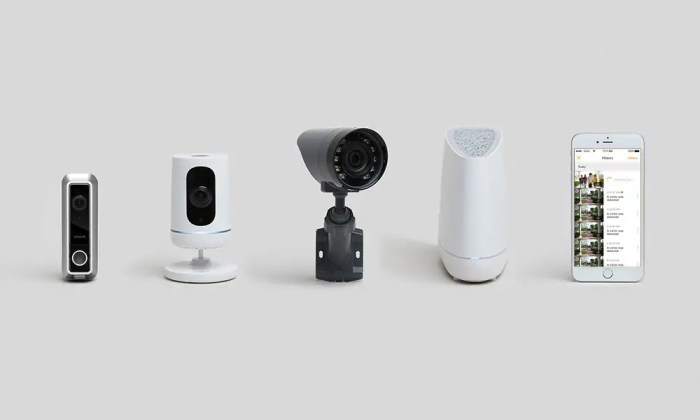
Home automation systems have come a long way since their inception, with the earliest concepts dating back to the 1930s. These systems were initially focused on controlling appliances remotely, but advancements in technology have led to more sophisticated capabilities.
Integrating security features with home automation has become increasingly important in recent years. With the rise of smart homes, homeowners now have the ability to monitor and control security systems from their smartphones, adding an extra layer of convenience and peace of mind.
Evolution of Home Security Systems
Home security systems have evolved significantly over the years, transitioning from simple alarm systems to comprehensive smart security solutions. These modern systems offer features such as motion sensors, video surveillance, and remote monitoring, providing homeowners with advanced protection against intruders and other threats.
Cutting-Edge Technologies for 2025
The year 2025 is expected to witness a significant leap in cutting-edge technologies that will revolutionize home automation and security systems. These advancements are set to redefine the way we interact with our homes and ensure a higher level of safety and convenience for homeowners.
AI and Machine Learning in Home Security Systems
Artificial Intelligence (AI) and Machine Learning are poised to play a pivotal role in enhancing home security systems in 2025. These technologies enable security systems to learn and adapt to patterns, making them more efficient in detecting anomalies and potential threats.
AI-powered cameras can differentiate between family members and intruders, reducing false alarms and providing accurate alerts in real-time.
IoT Devices for Smart Home Ecosystem
The Internet of Things (IoT) devices are set to create a seamless smart home ecosystem that enhances security measures. IoT devices like smart locks, sensors, and cameras can communicate with each other to provide a comprehensive security solution. For example, a smart lock can automatically trigger the security camera to start recording when an unauthorized entry is detected, ensuring a proactive response to potential security breaches.
Integrating Smart Features
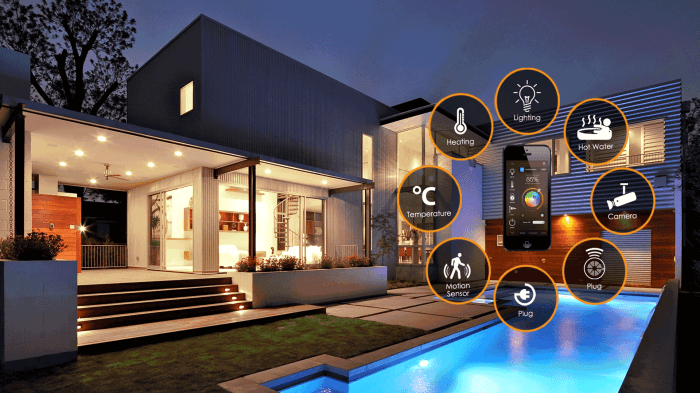
Integrating smart features like voice control and geofencing in home automation systems offers numerous benefits in terms of convenience, efficiency, and security. By seamlessly connecting various devices and systems, homeowners can enjoy a more streamlined and interconnected living experience.
Smart Home Platforms for 2025
In 2025, there are several smart home platforms available in the market, each offering unique features and compatibility with different devices. Some popular options include Amazon Alexa, Google Assistant, Apple HomeKit, and Samsung SmartThings. These platforms serve as the central hub for controlling smart devices, allowing users to easily manage their home automation systems from a single interface.
Enhancing Security and Convenience
Smart devices work together in innovative ways to enhance both security and convenience in modern homes. For example, smart cameras can be integrated with motion sensors and smart locks to provide comprehensive security monitoring. When an intruder is detected, the camera can send real-time alerts to the homeowner's smartphone, allowing them to view live footage and take appropriate action.
Additionally, geofencing technology can automatically adjust lighting, temperature, and security settings based on the user's location, ensuring a comfortable and secure environment at all times.
Cybersecurity Measures
Cybersecurity is a critical aspect of home automation systems, ensuring that your smart home devices and networks are protected from potential cyber threats. Implementing robust cybersecurity measures is essential to safeguard your privacy, data, and overall security within your home.
Importance of Cybersecurity in Smart Homes
With the increasing connectivity of smart devices in homes, the risk of cyber attacks also rises
Therefore, prioritizing cybersecurity in your home automation system is crucial to prevent such security breaches.
Best Practices for Securing Smart Home Devices
- Regularly update your devices' firmware to patch any known vulnerabilities.
- Use strong, unique passwords for each smart device and your home network.
- Enable two-factor authentication whenever possible for an added layer of security.
- Disable any unnecessary features or services on your smart devices to reduce potential attack surfaces.
Role of Encryption and Secure Networks
Encryption plays a pivotal role in protecting smart homes by securing data transmitted between devices and networks. By encrypting data, even if intercepted, it remains unreadable to unauthorized parties. Additionally, setting up a secure network with features like a firewall and network segmentation can help prevent unauthorized access to your smart home devices.
Environmental Sustainability
Automation systems in homes play a crucial role in promoting energy efficiency and environmental sustainability. These systems are designed to optimize energy consumption, reduce waste, and minimize the overall carbon footprint of a household.
Energy-Efficient Lighting Systems
- Smart lighting systems can automatically adjust brightness levels based on natural light availability and occupancy in a room, reducing unnecessary energy usage.
- LED bulbs, commonly integrated into smart lighting setups, are more energy-efficient and have a longer lifespan compared to traditional incandescent bulbs.
- Programmable lighting schedules and motion sensors help ensure that lights are only used when needed, further conserving energy.
Smart Thermostats for Heating and Cooling
- Smart thermostats can learn household patterns and adjust temperature settings accordingly, optimizing energy consumption for heating and cooling systems.
- Remote access and geofencing features allow homeowners to control their HVAC systems from anywhere, preventing unnecessary energy waste.
- Energy usage reports generated by smart thermostats provide insights into consumption habits, enabling users to make informed decisions to reduce energy usage.
Solar Panel Integration
- Home automation systems can monitor solar panel performance and energy production, maximizing the utilization of renewable energy sources.
- Battery storage systems paired with solar panels can store excess energy for later use, reducing reliance on the grid and promoting sustainability.
- Integration of smart meters enables real-time monitoring of energy consumption and production, allowing users to adjust their usage patterns for optimal efficiency.
Ultimate Conclusion
In conclusion, the horizon of Best Home Automation and Security Systems for 2025 paints a picture of a future where homes are not just smart but also secure, sustainable, and interconnected. As technology continues to advance, the promise of a safer, more efficient living environment becomes increasingly tangible.
Embrace the future today and witness firsthand the transformative power of smart living.
FAQ Compilation
How can I ensure the security of my smart home devices?
It is crucial to regularly update your devices' firmware, use strong and unique passwords, enable two-factor authentication whenever possible, and secure your home network with encryption.
What are some popular smart home platforms available in 2025?
Some popular smart home platforms include Amazon Alexa, Google Assistant, Apple HomeKit, and Samsung SmartThings, offering a range of compatibility and features for smart home integration.
How do home automation systems contribute to energy efficiency?
Home automation systems can regulate heating, cooling, lighting, and appliance usage more efficiently, leading to reduced energy consumption, lower utility bills, and a smaller environmental footprint.

