
Embark on a journey to create a smart and safe home for your family with this detailed guide. From smart home technology to security cameras, smart locks, and more, we explore all aspects of enhancing your home's safety and security.
Learn how modern advancements in technology can transform your living space into a secure and efficient environment for your loved ones.
Smart Home Technology
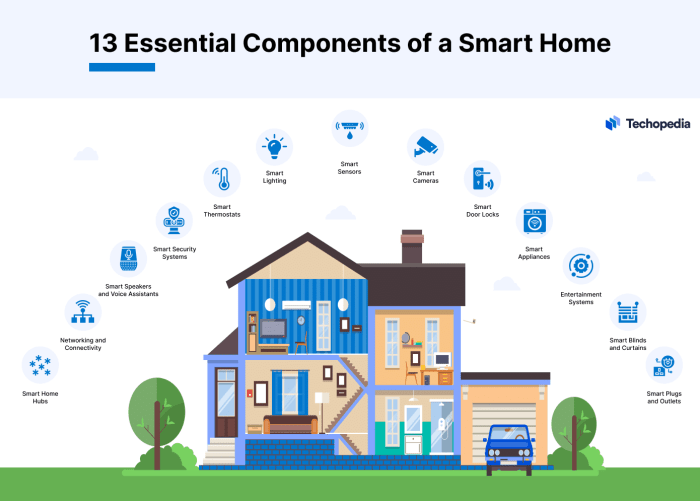
Smart home technology refers to the use of devices and systems that are interconnected to provide homeowners with increased control, convenience, and security. One of the key benefits of smart home technology is the ability to enhance safety measures within the household through various integrated devices.
Key Features of Smart Home Devices for Security
- Smart Cameras: These devices allow homeowners to monitor their property remotely, receive alerts for suspicious activity, and even communicate with visitors through two-way audio.
- Smart Door Locks: With smart locks, homeowners can control access to their homes, receive notifications when doors are unlocked, and grant temporary access to guests or service providers.
- Smart Sensors: Motion sensors, window/door sensors, and smoke detectors can all be integrated into a smart home system to provide real-time alerts in case of any unusual activity or emergencies.
- Smart Alarms: Smart alarm systems can be programmed to notify homeowners and authorities in case of a break-in, fire, or other emergencies, providing an added layer of security.
Importance of Integrating Smart Devices for Home Security
By integrating smart devices into a comprehensive home security system, homeowners can create a more robust and efficient safety network. These devices work together seamlessly to provide a holistic approach to home security, offering peace of mind and protection for the entire household.
Security Cameras and Surveillance Systems
Security cameras play a crucial role in safeguarding a home by providing constant monitoring and surveillance, helping to deter potential intruders and providing valuable evidence in case of any incidents.
Types of Surveillance Systems
- Wired Surveillance Systems: These systems are connected to a central recording device via cables, providing a reliable connection but requiring professional installation.
- Wireless Surveillance Systems: These systems use Wi-Fi or other wireless technology to transmit video footage to a central recording device, offering flexibility in placement but may be susceptible to signal interference.
- Smart Surveillance Systems: These systems are integrated with smart home technology, allowing for remote monitoring and control via smartphone apps, as well as features like motion detection and facial recognition.
Optimal Placement of Security Cameras
For maximum coverage and effectiveness, security cameras should be strategically placed in key areas around the home. Here are some tips for optimal placement:
- Position cameras at entry points such as doors and windows to capture any potential intruders.
- Ensure cameras have a clear view of the surrounding area without obstructions like trees or bushes.
- Place cameras at varying heights to capture different angles and perspectives.
- Consider installing cameras with night vision capability for 24/7 monitoring.
Smart Locks and Access Control
Smart locks play a crucial role in enhancing the security of your home by providing keyless entry and remote access capabilities. These innovative devices offer convenience and peace of mind by allowing you to monitor and control access to your home from anywhere.
Advantages of Smart Locks
- Enhanced Security: Smart locks eliminate the need for physical keys, reducing the risk of unauthorized access or lost keys.
- Convenience: You can lock and unlock your doors remotely using a smartphone app, making it easier to grant access to family members or visitors.
- Activity Monitoring: Smart locks provide a log of entry and exit times, allowing you to track who is coming and going from your home.
- Integration with Smart Home Systems: Smart locks can be integrated with other smart home devices, such as security cameras and alarms, to create a comprehensive home security system.
Access Control Systems for Home Entry
Access control systems offer additional layers of security by allowing you to manage and monitor who has access to your home. These systems enable you to set specific permissions for different individuals, ensuring that only authorized users can enter your property.
Best Practices for Managing Access Permissions
- Create User Profiles: Set up individual profiles for each family member or regular visitor, assigning unique access codes or permissions.
- Temporary Access: Provide temporary access codes for service providers or guests, and revoke them once their visit is over.
- Schedule Access: Use scheduling features to restrict access during certain times of the day or week, enhancing security when you are away from home.
- Regularly Update Permissions: Review and update access permissions as needed to ensure that only authorized individuals have entry to your home.
Fire and Carbon Monoxide Detection
Fire and carbon monoxide detectors are essential components of a smart home, providing early warnings to protect your family from potential dangers. These devices can save lives by alerting you to the presence of smoke, fire, or harmful gases like carbon monoxide.
Smart Features in Modern Detection Devices
- Smart Alerts: Receive notifications on your smartphone when the detectors are triggered, even when you're away from home.
- Interconnectivity: Connect all detectors in your home so that if one alarm goes off, they all sound to ensure everyone is alerted.
- Silence Alarms: Easily silence false alarms through a mobile app without having to climb a ladder to reach the detector.
- Battery Monitoring: Check the battery status remotely and receive alerts when it's time to replace them.
Testing and Maintenance Plan
- Regular Testing: Test your detectors monthly to ensure they are functioning correctly by pressing the test button.
- Replace Batteries: Replace the batteries at least once a year or follow the manufacturer's recommendations to maintain optimal performance.
- Clean Regularly: Keep detectors clean from dust and debris that can interfere with their sensors and functionality.
- Professional Inspection: Consider having a professional inspection annually to ensure all detectors are working correctly and meet safety standards.
Home Automation and Remote Monitoring
Home automation plays a crucial role in enhancing both convenience and safety within a smart home. By automating various tasks and integrating smart devices, homeowners can enjoy a higher level of control and efficiency in managing their living spaces. Additionally, remote monitoring capabilities provide homeowners with peace of mind by allowing them to keep an eye on their property even when they are away.
Tasks Automation for Improved Security
- Automated lighting systems that can be programmed to turn on and off at specific times, giving the illusion of someone being home to deter potential intruders.
- Integration of motion sensors with security cameras to trigger recording and alert notifications when unusual activity is detected.
- Automated door locks that can be remotely controlled and monitored, allowing homeowners to grant access to visitors or service providers from anywhere.
Benefits of Remote Monitoring
- Real-time alerts and notifications on smartphones or other devices in case of security breaches, fire, or carbon monoxide detection, enabling quick response and action.
- Ability to remotely check live camera feeds to monitor the activity in and around the house, ensuring the safety of family members and property.
- Integration with smart home assistants like Alexa or Google Home for voice-controlled monitoring and management of smart devices.
Final Summary
In conclusion, ensuring a smart and safe home for your family is not just about technology, but about creating a peaceful sanctuary where your loved ones can thrive. By implementing the tips and strategies discussed, you can achieve a heightened level of security and peace of mind within your home.
General Inquiries
How can smart home technology enhance safety?
Smart home technology can enhance safety by providing real-time monitoring, automated alerts, and remote access to your home security systems.
What are the key benefits of using smart locks?
Smart locks offer increased security, convenience, and control over who enters your home, enhancing overall safety measures.
How often should fire and carbon monoxide detectors be tested?
It is recommended to test fire and carbon monoxide detectors monthly and replace batteries at least once a year to ensure they are functioning properly.

